
Finished goods are not automatically ready to ship. Before a booking is finalized or cargo is released, the importer still needs a document set that describes the same transaction, the same goods, and the same shipment. A factory may have finished production while the packing list still shows estimated cartons. A forwarder may prepare a bill of lading draft from old shipping instructions. Those gaps are where avoidable amendments begin.
This checklist gives importers a working review sequence. Start by deciding which documents the shipment needs and who owns each one. Then check the commercial invoice, packing data, transport draft, origin documents, and product files against a single shipment record. Finish by approving named versions and saving one final file pack. The requirement for any specific document depends on the product, Incoterm, exporter, transport method, carrier, destination rules, and importer instructions.
Customs classification, certification, clearance, banking, insurance, and legal responsibility need qualified advice when the facts are uncertain. A supplier or freight forwarder can prepare information, but the importer should confirm destination-country requirements with its customs broker, logistics provider, compliance adviser, bank, insurer, or lawyer as appropriate. This article is an operational review tool, not customs or legal advice.
1. Build a shipment document list
Open a document register for the shipment before asking anyone for drafts. Copying the list from a previous order is tempting, especially when the supplier and product look familiar. It is also how an importer misses a new destination requirement, a changed release method, or a certificate that covers the old model but not the current one. Reconfirm the list for every shipment.
The usual starting documents are the commercial invoice, packing list, shipping instructions, booking confirmation, and the relevant transport document: bill of lading, sea waybill, air waybill, or courier waybill. A consolidated shipment may need a final consolidated packing list in addition to supplier packing lists. Depending on the cargo, add origin, insurance, inspection, testing, treatment, dangerous-goods, battery, wood-packaging, or payment documents.
Give every item an owner and two dates: when the draft is needed and when the final version is needed. Record who reviews it, whether the destination needs an original or electronic copy, how many copies are required, and what still needs confirmation. 'Supplier preparing' is not a useful status. 'Commercial invoice V2 received; buyer name correction due 16 July' is.
| Document | Usually prepared by | Buyer review | Status to record |
|---|---|---|---|
| Commercial Invoice | Seller or agreed invoicing party | Names, goods, value, currency, Incoterm | Draft, corrections, approved final |
| Final Packing List | Supplier or consolidation warehouse | Actual quantities, cartons, weights, volume, marks | Waiting for final packing or approved |
| Transport document | Carrier or forwarder from shipping instructions | Parties, route, packages, goods, weight, release method | Draft deadline and final issue status |
| Certificate or product file | Eligible issuer, supplier, laboratory, or other responsible party | Correct entity, model, shipment, market, validity | Required, not required, pending, accepted |
2. Confirm the parties and responsibilities
Write down the legal and operational roles before reviewing names on documents. The factory, seller, exporter, and shipper may be different companies. The buyer may not be the importer of record. A consignee can be the importer, a nominated company, or another party accepted under the transaction and carrier rules. The notify party has a different function again.
Ask who issues the commercial invoice, who prepares the packing list, which entity exports the goods, who appears as shipper, and who sends shipping instructions. Assign review of the bill of lading or air waybill draft. Confirm who applies for any certificate of origin, who discusses classification with the destination customs broker, who receives originals, and who has authority to approve release.
Do not assume the supplier, warehouse, forwarder, and customs broker share the same updates. Send a responsibility matrix with named contacts. If the warehouse changes the carton count after repacking, the person preparing the final packing list and the person sending shipping instructions both need that change. A group chat does not replace ownership.
| Task | Preparer | Reviewer | Final approver |
|---|---|---|---|
| Commercial Invoice | Agreed seller | Importer or buyer finance | Importer |
| Final Packing List | Supplier or warehouse | Buyer shipment coordinator | Importer |
| Shipping Instructions | Forwarder, exporter, or buyer as agreed | Importer and forwarder | Authorized shipment contact |
| B/L or AWB draft | Carrier or forwarder | Importer and relevant broker | Authorized shipment contact |
3. Review the commercial invoice
The commercial invoice describes the sale for shipping and import documentation. Check the invoice number and date, seller and buyer legal names, addresses, purchase order or contract reference, product description, model or SKU, quantity, unit, unit price, total, currency, Incoterm and named place, country of origin, and payment terms. Freight or insurance amounts may also need to appear, depending on the transaction and declaration requirements.
Use a description that identifies the actual goods. 'Machine,' 'parts,' and 'samples' often leave too much room for questions. A suitable description may include the plain product name, model, material, or use when those details are relevant. Keep marketing claims out of the customs description. Do not invent a description to fit a preferred duty rate, and do not understate the transaction value.
Recalculate quantity multiplied by unit price and confirm the total and currency. Check how free samples, spare parts, replacements, or promotional pieces are recorded with the customs broker. Review whether freight and insurance treatment matches the Incoterm and the real commercial arrangement. If the seller or buyer name is wrong, correct the draft before it becomes the basis for other documents.
Save the approved invoice by number and version. If the value or quantity changes after partial shipment, damage removal, or order adjustment, issue a controlled revision and tell every party using the earlier data. Never alter a number solely to make two files appear consistent; first establish which number reflects the real transaction.
4. Review the final packing list
The packing list should describe the cargo as it is finally packed, not the estimate made when production started. Check the document number and date, seller or shipper, buyer or consignee, purchase order, product and SKU, quantity, carton count, quantity per carton, carton sequence, net and gross weight, carton dimensions, total volume, pallet count, pallet dimensions, shipping marks, origin, and special packing notes.
Repacking changes documents. So do carton combining, carton splitting, palletizing, damaged-goods removal, and partial shipment. Ask the supplier or warehouse for final measurements after those activities. Compare the new totals with the warehouse receiving record and booking data. If a carton is removed, the product quantity, carton sequence, gross weight, and volume may all need revision.
For cargo collected from several suppliers, use the China Shipping Consolidation Checklist for Importers to control warehouse receipts and final cargo data before approving the consolidated packing list.
Keep supplier packing lists as source records, but do not confuse them with the final consolidated packing list. The consolidated version must show what will actually move under the booking. Record who produced it, which warehouse report it uses, and the approval date.
5. Approve one shipping description
Prepare an approved shipping description before multiple parties write their own versions. It can include the plain product name, model or SKU, main material, intended use, technical detail where required, brand where appropriate, and country of origin. The wording needs enough detail for the actual document and route; it does not need to reproduce the retail product page.
Compare the commercial invoice, packing list, shipping instructions, transport draft, origin certificate, customs information, insurance file, and relevant test reports. Wording can differ because each document has a different purpose. The descriptions should not contradict one another. 'Electric oven' on the invoice, 'kitchen machine' on the packing list, and 'spare parts' on the bill of lading is a discrepancy that needs explanation and correction.
Packaging names, model numbers, labels, and carton marks should already match the approved production files. The Private Label & Packaging Checklist helps organize those source details before they reach shipping documents.
6. Confirm HS classification information
Several parties may suggest an HS code: the supplier, exporter, forwarder, export declaration team, importer, or customs broker. Treat a suggested code as an input, not a final destination-country decision. Give the importer’s customs broker enough product information to review the classification, including composition, function, intended use, power source, main material, and whether the item is a complete product or a component.
Different SKUs may require different classifications. Countries can also extend the six-digit international HS structure with different national digits, so the code used for export information may not match the full import code. Confirm which code belongs on which document and who approved it.
When classification affects duty, licensing, anti-dumping measures, product controls, or a dispute, stop relying on informal supplier messages. Ask the importer’s broker or a qualified classification adviser. Keep the supporting product description and the reviewer’s decision in the shipment file. This checklist does not assign a code to any product.
7. Reconcile quantities, cartons, weights, and volume
Create one reconciliation sheet with the commercial invoice quantity, packing list quantity, warehouse received quantity, inspection quantity, carton and pallet totals, net and gross weight, volume, transport-document packages, and certificate quantity where applicable. Add the source file and version beside every figure. That makes it possible to trace a mismatch instead of debating screenshots.
Common differences come from spare parts, free accessories, samples, repacking, carton damage, partial shipment, split shipment, new measurements, and supplier estimation errors. A difference is not automatically a mistake. It becomes a problem when nobody can explain it or when one file is updated while the others remain unchanged.
Resolve the source facts first. Then update every affected draft. If the warehouse reports 96 cartons after consolidation while the supplier lists total 98, document whether two cartons were combined, held back, or rejected. Do not change the warehouse record to match the booking. Change the booking and documents to reflect the approved cargo.
| Data point | Primary working source | Compare against | Action if different |
|---|---|---|---|
| Product quantity | Final packing list and approved shipment scope | Invoice, warehouse, inspection, certificate | Explain samples, shortages, or partial shipment |
| Cartons and pallets | Final warehouse packing record | Packing list, booking, B/L or AWB draft | Update after repacking or palletizing |
| Gross weight and volume | Final measured cargo data | Packing list, booking, transport draft | Confirm measurement method and revise affected files |
| Commercial value | Approved commercial invoice | Payment and customs documents | Confirm real transaction and applicable declaration treatment |
8. Prepare shipping instructions from final data
Shipping instructions are a main source for the carrier or forwarder’s transport document. They may include shipper, consignee, notify party, ports or airports, place of receipt and delivery, final destination, marks, packages, cargo description, gross weight, measurement, freight term, bill type, original count, release method, references, and contact details.
Drafting can begin before final packing, but label estimates clearly. Do not lock the final instructions while cargo is still being counted, repacked, or measured. Once the final packing list is approved, compare every repeated field and issue a controlled shipping-instruction version. Tell the forwarder which earlier draft is superseded.
If supplier deliveries and warehouse changes are still open, coordinate them through the Shipping & Consolidation service before asking the carrier to issue final transport documents.
9. Review the bill of lading draft
Review the bill of lading draft before the carrier’s amendment deadline. Check shipper, consignee, notify party, vessel and voyage, port of loading and discharge, place of receipt and delivery, marks and numbers, package count and type, goods description, gross weight, measurement, freight prepaid or collect, number of originals, bill type, references, container number, and seal number. Check the on-board date when it becomes available.
Names and addresses deserve a character-by-character review against the approved party sheet. Then compare packages, weight, and measurement with the final packing list and warehouse data. Confirm route names with the booking. A port, container, or seal error can be easy to miss when reviewers focus only on the cargo description.
Return corrections in one marked list rather than scattered messages. Ask for a revised draft and review the changed fields again. Carrier formats and allowable wording differ, and the buyer does not control every field. The forwarder or carrier should confirm its rules. Amendments after issue or departure may cost money and delay release, so record the approved draft and approval time.
10. Choose the ocean release method deliberately
Original bill of lading
An original bill of lading arrangement commonly involves issued originals that may need to be presented or endorsed under the applicable terms. Confirm the number of originals, who receives them, the courier address, endorsement instructions, payment condition, and the consequence if the courier package arrives late. Do not approve 'original B/L' without an owner for document dispatch.
Telex release or surrendered bill
A telex release or surrendered-bill process generally follows surrender or waiver of originals and carrier confirmation to the destination office. Confirm that the carrier accepts it, the seller agrees, the payment condition permits release, required surrender steps are complete, and a release confirmation will be issued. A message from the supplier saying 'telex done' is not the final carrier evidence.
Sea waybill
A sea waybill is generally non-negotiable and cargo release is tied to the named consignee and carrier process rather than presentation of an original bill. Confirm that it fits the transaction, payment security, destination procedure, and consignee arrangement. These three methods are not interchangeable choices. Ask the carrier, bank, broker, or legal adviser to confirm legal effect and release conditions for the shipment.
11. Review air waybill details
For air freight, review shipper, consignee, departure and destination airports, routing, packages, gross and chargeable weight, goods description, special-handling information, freight prepaid or collect, and the master and house air waybill references where applicable. Confirm the consignee contact and final delivery location rather than assuming the destination airport completes the instruction.
Chargeable weight is a transport calculation and may differ from actual gross weight. Ask the forwarder to explain the basis when the figures differ. Battery or dangerous-goods information must match the actual cargo and supporting transport files. The air waybill is generally not a negotiable title document like an original ocean bill, so do not copy ocean release assumptions into an air shipment.
12. Confirm certificate of origin requirements
Ask the importer or destination customs broker whether an origin certificate is required, which type applies, and whether any preferential treatment is available and supportable. A standard certificate of origin and a preferential origin document serve different purposes. Form E or another preferential form applies only where the relevant trade arrangement, origin rules, destination, and shipment facts support it.
Check the issuing authority or system, exporter and importer shown, product description, HS information, quantity, invoice number, transport details, origin criterion where applicable, format, and application deadline. Compare the certificate with the approved invoice and packing data before issue. If the exporter changes, confirm whether the application route and supporting documents also change.
Do not request a certificate simply because the previous shipment used one. Equally, do not assume it can be obtained after departure on the same terms. Record who confirmed the requirement, who applies, the draft review date, and where the accepted final copy is stored.
13. Collect product and compliance files
The shipment may need test reports, product certificates, declarations of conformity, manuals, safety data sheets, battery transport files, dangerous-goods declarations, food-contact or material declarations, fumigation records, wood-treatment evidence, inspection reports, factory declarations, or brand authorization. The required set depends on the product and market.
For each file, check the title, issuer, applicant, manufacturer, product model, covered SKU, cited standard or rule, issue date, expiry where applicable, report number, and destination relevance. A report that looks similar may cover a different material, factory, model, or market. Ask a qualified compliance adviser to confirm coverage when the link is unclear.
A pre-shipment inspection checks the produced goods and packing against agreed requirements. It does not replace compliance evidence. Use the China Pre-Shipment Inspection Checklist to prepare the physical shipment review, and keep its report separate from certificates and test files.
If inspection findings or supplier corrections are still open, the Quality Inspection service can help organize the checks and evidence before shipment approval.
14. Review transport insurance documents
If transport insurance was purchased, check the insured party, cargo description, invoice value, insured amount, currency, voyage or route, transport method, origin, destination, coverage period, policy or certificate number, exclusions, claim contact, and required claim evidence. Compare these details with the actual booking and commercial documents.
Do not infer from the Incoterm alone that a particular policy has been purchased or that it covers every loss. Read the contract and actual insurance document. If the insured amount, route, or party is wrong, ask the insurer or broker to correct it before shipment where possible. Claims and coverage disputes need advice from the insurer or a qualified professional.
15. Check banking and payment document conditions
A letter of credit, documentary collection, payment against documents, or bank-controlled release can make exact wording and timing part of payment performance. Compare company names, invoice amount, shipment date, latest shipment date, ports, originals, certificate wording, signatures, and presentation deadline with the banking instruction.
Do this review before documents are issued. A transport draft can look operationally correct and still conflict with a letter of credit. When bank requirements are strict, have the bank or an experienced trade-finance professional review the set. This checklist does not interpret letter-of-credit law or decide whether a discrepancy will be accepted.
16. Run a final consistency check
Put the final drafts side by side. Compare company information: seller, exporter, shipper, buyer, importer, consignee, and notify party. Compare cargo information: product, model, quantity, cartons, pallets, weight, volume, and marks. Then compare invoice references, currency, value, Incoterm, origin, route, vessel or flight, container, seal, and shipment dates where those fields appear.
A document does not need to contain every field. When the same field appears in two places, it should not create a material contradiction. Record accepted wording differences and the reason. For example, a carrier may shorten a description because of format limits, but the shortened wording still needs to identify the cargo without changing what it is.
Use one reviewer for the cross-document pass, even when specialists have reviewed individual files. That person needs the approved party sheet, commercial invoice, final packing list, booking, and certificate requirements. The output is a discrepancy list with an owner and due date, followed by a clean set for final approval.
17. Control document versions
Use filenames that show the shipment reference, document type, version, date, and status. For example: KS-2026-017_Packing-List_V3_FINAL_2026-07-14.pdf. Keep the pattern simple enough that suppliers and forwarders will use it. 'Final,' 'final new,' and 'final latest 2' in the same folder defeats the purpose.
Maintain a document control log with the file, version, date received, preparer, reviewer, status, correction required, approval date, and file location. Separate drafts from approved files. When a revision is issued, mark the earlier version as superseded and tell the recipients who received it.
| Document and version | Received from | Review status | Final location |
|---|---|---|---|
| Packing List V3 | Consolidation warehouse | Approved after carton recount | 02 Final Commercial Documents |
| B/L Draft V2 | Freight forwarder | Port and consignee corrected; approved | 03 Final Transport Documents |
| Certificate of Origin Draft V1 | Exporter | Invoice reference correction pending | 01 Drafts Pending |
18. Approve the final document set
Approve named versions, not a conversation. The approval record should state the shipment reference, commercial invoice version, packing list version, shipping-instruction version, transport draft version, certificate versions, approval date, approver, remaining exceptions, release instructions, and original-document recipient. 'Documents look fine' leaves too much open.
Before release, confirm the parties, goods, quantities, cartons, weights, volume, marks, route, certificate requirement, compliance files, insurance where applicable, release method, and delivery of originals. If an exception remains, describe it and record who accepted it. Approval authorizes the listed versions for the next action; customs, carrier, compliance, and delivery outcomes still depend on the shipment facts and the responsible parties.
19. Store and share the final shipping file pack
Create one final shipment folder with the approved commercial invoice, packing list, transport document, origin certificate where required, product files, inspection report, insurance document, booking, container and seal record, loading photos, release confirmation, and relevant payment record. Keep supplier and forwarder contacts in the same shipment workspace.
A practical folder order is 01 Commercial Documents, 02 Transport Documents, 03 Certificates, 04 Inspection, 05 Loading Records, and 06 Release Documents. Give the importer, customs broker, forwarder, warehouse, finance team, or customer access only to the files they need, but make sure each receives the approved version.
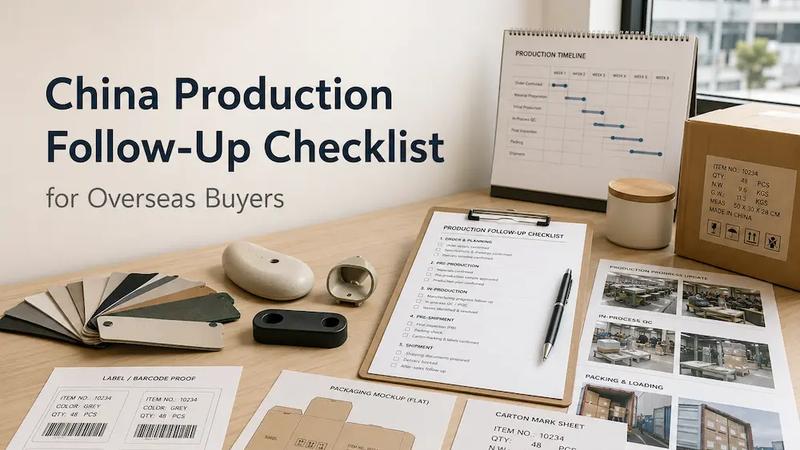
Production dates, approved changes, and final supplier actions should already be traceable through the China Production Follow-Up Checklist for Overseas Buyers .
For ongoing supplier and warehouse coordination, see the Production Follow-Up service before the final file pack is closed.
20. Common shipping document mistakes
Estimated packing data used as final data: booking and transport documents may no longer match the cargo. Replace estimates after final packing and measurement. Incorrect legal names or incomplete consignee details: document release and customs communication can become harder. Check the approved party sheet character by character.
Vague or conflicting product descriptions: carriers, brokers, banks, or authorities may ask questions because the documents appear to describe different goods. Agree one shipping description and adapt it only where the document format requires. Invoice and packing quantities that differ without explanation: reconcile the actual shipment and record samples, spares, shortages, or partial shipment.
Cartons, weights, or volume not updated after consolidation: freight data and transport drafts can be wrong. Use final warehouse measurements. Bill drafts approved without checking ports, container, seal, freight term, or release method: amendments may be costly or late. Review the entire draft against the booking and final cargo record.
Origin certificates assumed to be universal, unrelated reports accepted for the current model, and expiry dates ignored: the file may not meet its intended purpose. Confirm the exact requirement and coverage. Uncontrolled versions sent as final files: recipients may act on obsolete data. Use a log, withdraw superseded drafts, and archive the released set.
21. Final China shipping documents checklist
Complete the checklist below after the drafts have been reviewed. Each checked item should point to a file, email approval, warehouse record, broker confirmation, or named decision. If the evidence cannot be found, leave the item open and assign it rather than checking it from memory.
The finished output is a controlled shipment file pack and a written release decision. Send the final commercial and transport files to the importer’s customs broker early enough for destination review. Keep the approved versions available through cargo arrival and collection, because arrival notices, delivery orders, amendments, or claims may refer back to them.